Source Educational Wooden Cutting Cake Toy for Kids Learning
Find 30 educational wooden cutting cake toy options from verified Chinese manufacturers. Compare specifications, certifications like ASTM and EN71, and pricing to select the best fit for preschool learning and recreation needs; compare the available evidence and request quotations based on your requirements.
Key considerations
Products List


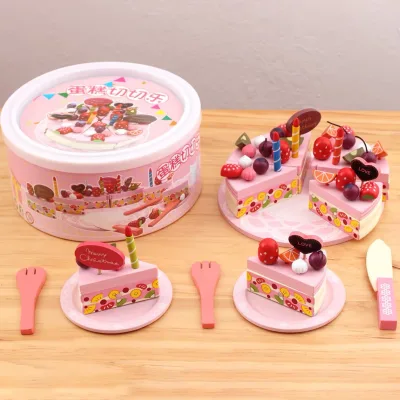


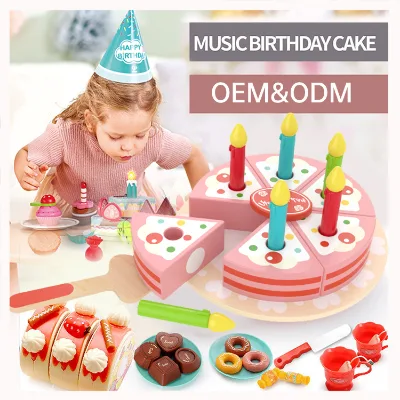


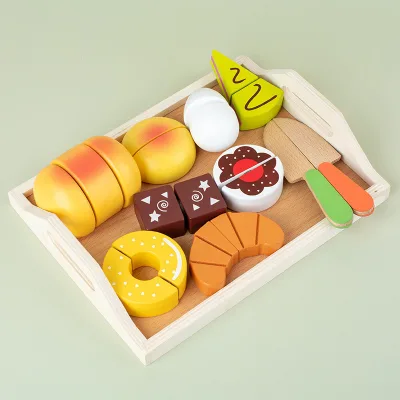




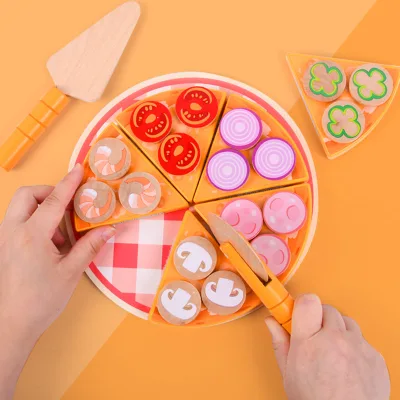
Comprehensive Sourcing Guide
Educational Wooden Cutting Cake Toy Sourcing Guide
Sourcing educational wooden cutting cake toys requires a careful balance between developmental value and manufacturing precision. These toys are designed to enhance fine motor skills, color recognition, and imaginative play for young children. Buyers must prioritize suppliers who understand the dual nature of these products as both durable playthings and learning aids. The market offers various configurations, from simple slicing sets to more complex kitchen scenarios, each demanding specific quality controls.
The procurement process begins with defining the target age group and educational objectives. Products intended for toddlers under three years require stricter safety protocols than those for older children. Buyers should evaluate the tactile experience of the wood, the smoothness of the cutting edges, and the stability of the magnetic or velcro mechanisms. Understanding these nuances ensures that the selected product aligns with the brand’s commitment to safety and educational integrity, preventing returns and ensuring customer satisfaction.
Product Scope and Observed Listing Signals
The current market landscape for wooden cutting cake toys reveals a diverse range of options tailored to different developmental stages. Listings indicate a price range from approximately $1.36 to $40, reflecting variations in material quality, packaging complexity, and brand positioning. Minimum order quantities (MOQs) vary significantly, starting from as low as one unit for sampling up to 1,008 units for bulk production. This flexibility allows buyers to test market response before committing to large-scale inventory, reducing financial risk during the initial sourcing phase.
Observed product attributes highlight a strong emphasis on customization and educational functionality. Many suppliers offer customized colors and packaging options, including color boxes or brown cartons, to meet specific branding requirements. The materials predominantly cited are MDF and beech wood, with some listings specifying eco-friendly standards. Buyers should note that while some products are marketed for children under three, others are suitable for ages three to eight, necessitating clear segmentation in product selection to avoid safety mismatches.
Technical Specifications to Verify
Verifying technical specifications is critical to ensuring product durability and safety. Buyers must confirm the material composition, distinguishing between MDF and solid beech wood, as each offers different aesthetic and structural properties. The cutting mechanism, whether magnetic or velcro-based, must be tested for longevity and ease of use. Additionally, the paint quality should be verified as water-based and non-toxic, ensuring that the toy remains safe even when handled by young children who may put it in their mouths.
Packaging dimensions and weight are essential for logistics planning and cost estimation. Typical carton sizes observed include dimensions around 45.5x25.5x45.5 cm with a weight of approximately 11.9 kg, though smaller packages exist for individual units. Buyers should request detailed packing lists to understand the unit count per carton and the overall shipping volume. Accurate specification verification prevents unexpected freight costs and ensures that the product fits within the retailer’s shelf space and storage constraints.
Compliance and Safety Documentation
Compliance with international safety standards is non-negotiable for wooden toys sold in global markets. Buyers must verify that products meet ASTM, CE, and EN71-1, 2, 3 standards, which cover mechanical properties, flammability, and chemical migration. These certifications ensure that the toy is free from sharp edges, small parts that could pose a choking hazard, and harmful substances. Documentation should be current and issued by recognized testing laboratories to guarantee authenticity and legal compliance in target markets.
Beyond physical safety, chemical safety is paramount, especially for toys intended for younger children. Buyers should request test reports confirming that the water-based paints and finishes are free from lead, phthalates, and other hazardous chemicals. The eco-friendly nature of the materials, such as FSC-certified wood, adds value but must be substantiated with valid certificates. Ensuring comprehensive compliance documentation protects the brand from legal liabilities and builds trust with parents who prioritize safety in their children’s playthings.
Cost Drivers and Commercial Terms
Several factors influence the final cost of educational wooden cutting cake toys, including material selection, customization level, and order volume. Higher-quality materials like solid beech wood and intricate designs command premium prices, while basic MDF options offer cost-effective solutions. Customization, such as unique packaging or branding, adds to the unit cost but can enhance market appeal. Buyers should negotiate based on clear specifications to avoid hidden fees and ensure transparent pricing structures.
Commercial terms, including MOQs and payment conditions, vary among suppliers. While some suppliers offer low MOQs for testing, larger orders often yield better unit prices. Buyers should assess the total landed cost, including shipping, duties, and insurance, rather than focusing solely on the unit price. Establishing clear communication regarding lead times and production schedules helps in managing inventory levels and meeting seasonal demand peaks, ensuring a smooth supply chain operation.
Supplier Qualification and Quality Control
Selecting a reliable supplier involves rigorous qualification and quality control processes. Buyers should verify the supplier’s manufacturing capabilities, including their experience with wooden toy production and their adherence to quality management systems. Factory audits, whether on-site or virtual, provide insights into production practices, worker conditions, and quality assurance protocols. Suppliers with a track record of exporting to stringent markets are often more reliable in meeting compliance and quality expectations.
Quality control measures should be implemented at various stages of production, from raw material inspection to final packaging. Buyers should define clear acceptance criteria for defects, such as splinters, loose parts, or paint imperfections. Implementing pre-shipment inspections ensures that the delivered goods meet the agreed-upon standards. Establishing a strong relationship with the supplier facilitates continuous improvement and quick resolution of any issues that may arise during the production or delivery process.
Long-Term Procurement Checks
Long-term procurement success depends on continuous monitoring and adaptation to market changes. Buyers should regularly review supplier performance metrics, including on-time delivery rates, product quality consistency, and responsiveness to issues. Building a diversified supplier base reduces dependency on a single source and mitigates risks associated with supply chain disruptions. Regular communication with suppliers helps in staying updated on new product developments and industry trends.
Sustainability and ethical sourcing are increasingly important considerations for long-term procurement strategies. Buyers should prioritize suppliers who demonstrate commitment to environmental responsibility and ethical labor practices. This includes verifying the sustainability of wood sources and the safety of manufacturing processes. By aligning procurement practices with these values, brands can enhance their reputation and meet the growing consumer demand for responsible and safe children’s products.
FAQs
What certifications are available for educational wooden cutting cake toys?
Educational wooden cutting cake toys typically carry ASTM, CE, and EN certifications. These standards ensure the product meets international safety requirements for children's toys. Buyers should verify specific test reports for EN71-1, 2, and 3 compliance. This ensures the materials and finishes are safe for young children during play.
Can these toys be customized for specific branding needs?
Yes, customization is available for many educational wooden cutting cake toys. Buyers can often request specific colors, such as yellow or other options. Custom packaging in color boxes or brown cartons is also possible. This allows retailers to tailor the product to their brand identity and market preferences effectively.
What is the typical minimum order quantity for these toys?
The minimum order quantity varies by supplier, often ranging from 500 to 1000 units. Some suppliers may accept lower MOQs, while others require higher volumes. Buyers should confirm the exact MOQ with the manufacturer. This helps in planning inventory levels and managing initial procurement costs for new product lines.
Which materials are commonly used in these wooden toys?
Common materials include MDF and beech wood for educational wooden cutting cake toys. These materials are chosen for durability and safety. The toys often use water-based paints to ensure non-toxic finishes. This makes them suitable for young children who may put the pieces in their mouths during play.
What age group is recommended for these educational toys?
These toys are generally recommended for children aged 3 to 8 years. Some specific models may target toddlers aged 13 to 36 months. The design supports learning and intellectual development. Buyers should check the specific age recommendation on the product page to ensure suitability for their target demographic.
How are these toys typically packaged for shipping?
Educational wooden cutting cake toys are usually packed in outer cartons. Individual items may come in color boxes or brown cartons. The packaging is designed to protect the product during transit. Buyers should check the carton weight and dimensions to calculate shipping costs and storage requirements accurately.